Showing posts with label bloody mary. Show all posts

"Old" Royal Brides

In light of recent reports that Catherine (Kate) Middleton is the “oldest royal bride EVER” in England, I decided to put together a quick list of royal brides older than 29-year-old Kate.

Maria Fitzherbert, 29
A young widow, Maria married George Prince of Wales in 1785 after he begged her many times, even faking a fatal illness to gain her sympathy. The couple kept the marriage secret because it threatened his royal status on two accounts: he did not have the king’s permission and, since she was a Catholic, he could no longer be in the line of succession. Maria, however, did not enjoy having a secret marriage and was not pleased by her husband’s philandering ways. The couple experienced several separations, especially after 1795 when he (bigamously) married a princess in order to get Parliament to erase his debts. Maria and George’s marriage was never terminated but it was also never officially acknowledged. She died before he became King George IV in 1820.

Eleanor of Aquitaine, 30
Eleanor was at least 30 and perhaps a bit older when she married the future King Henry II, having just received an annulment from her first husband, King Louis VI of France. Eleanor was about 11 years older than her teenaged second husband and the two enjoyed an active married life, which resulted in eight children. Together they ruled an “empire” that stretched from Scotland to southern France, but their relationship was often rocky. When she sided with their sons in rebellion against Henry, he imprisoned her for 11 years. She was only released after his death. She lived into her late 80s, never slowing down for a second: one of her last acts was to travel over land to Spain to retrieve her granddaughter and bring her back to marry the French heir.

Victoria of Saxe-Coburg, 31
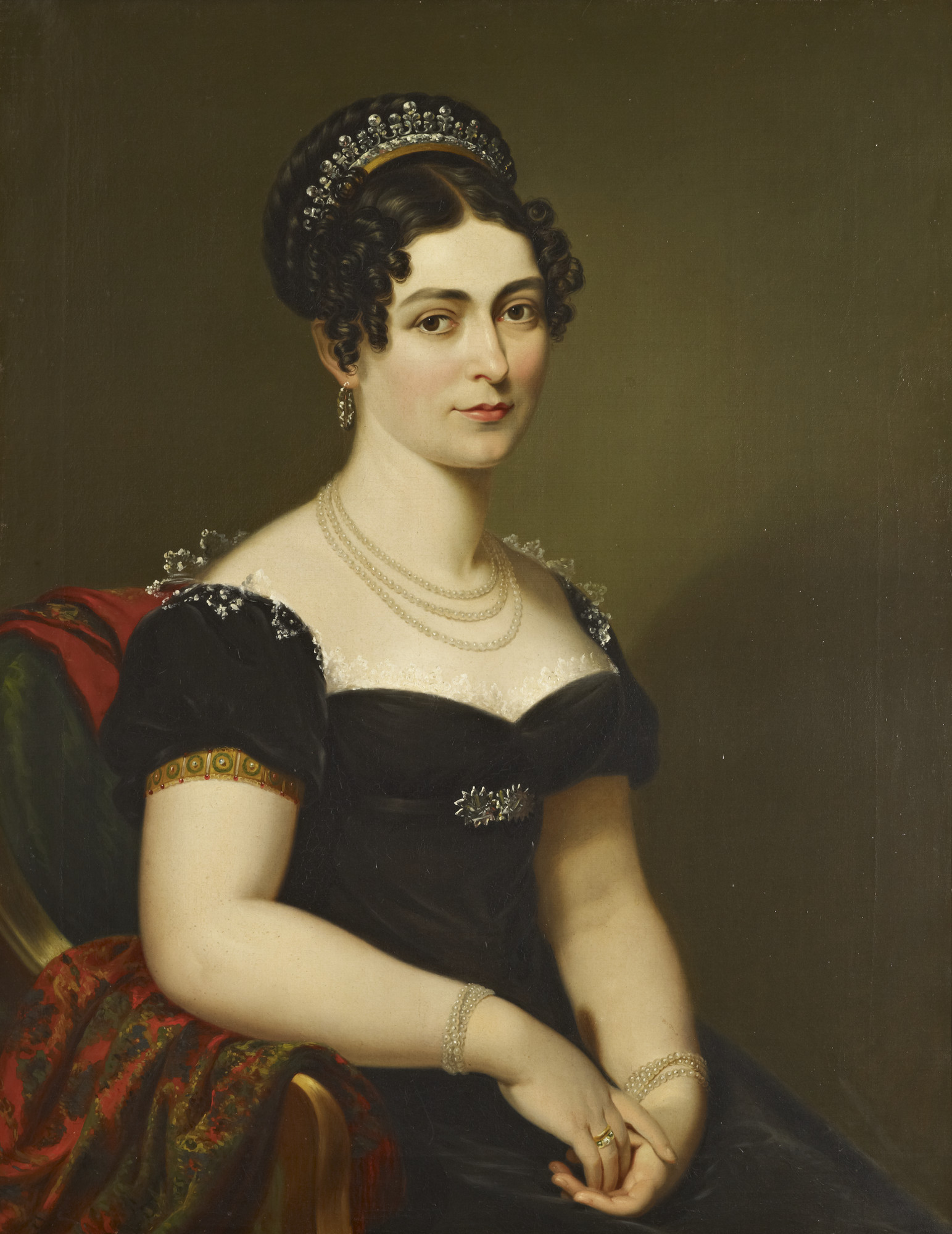
Although she did not marry a direct heir to the throne, at the time that Victoria married Edward Duke of Kent in 1818, it was possible that he might become king because none of his three older brothers had living heirs. Victoria was a widow with two young children. Her proven fertility worked out well for Edward and the couple quickly produced a daughter, also named Victoria. A few months later, though, she was widowed again. It is widely rumored that she had a romantic liaison with her comptroller, Sir John Conroy, and that the two of them hoped to rule the kingdom when Edward’s daughter succeeded the throne in 1837. Young Queen Victoria, however, quickly established her independence, sparking a schism with her mother that took years to mend.

Katherine Parr, 31
Katherine’s birth date is uncertain, but it is possible that she was in her thirties when she became Henry VIII’s final wife. Henry was her third older husband with grown children, although she had never had any children of her own. By this stage, however, Henry had become disillusioned with young wives and had likely given up on having any more legitimate children. Nevertheless, Katherine nearly met an untimely fate, not for cuckolding the king like her beheaded predecessors but for holding reformist religious beliefs. Luckily, she intercepted her arrest order and was able to persuade the king that she appeared to adopt these views for the sake of providing good debates for his intellectual mind. Katherine outlived the king, married her one true love and died in childbirth shortly after.

Anne Boleyn, 32
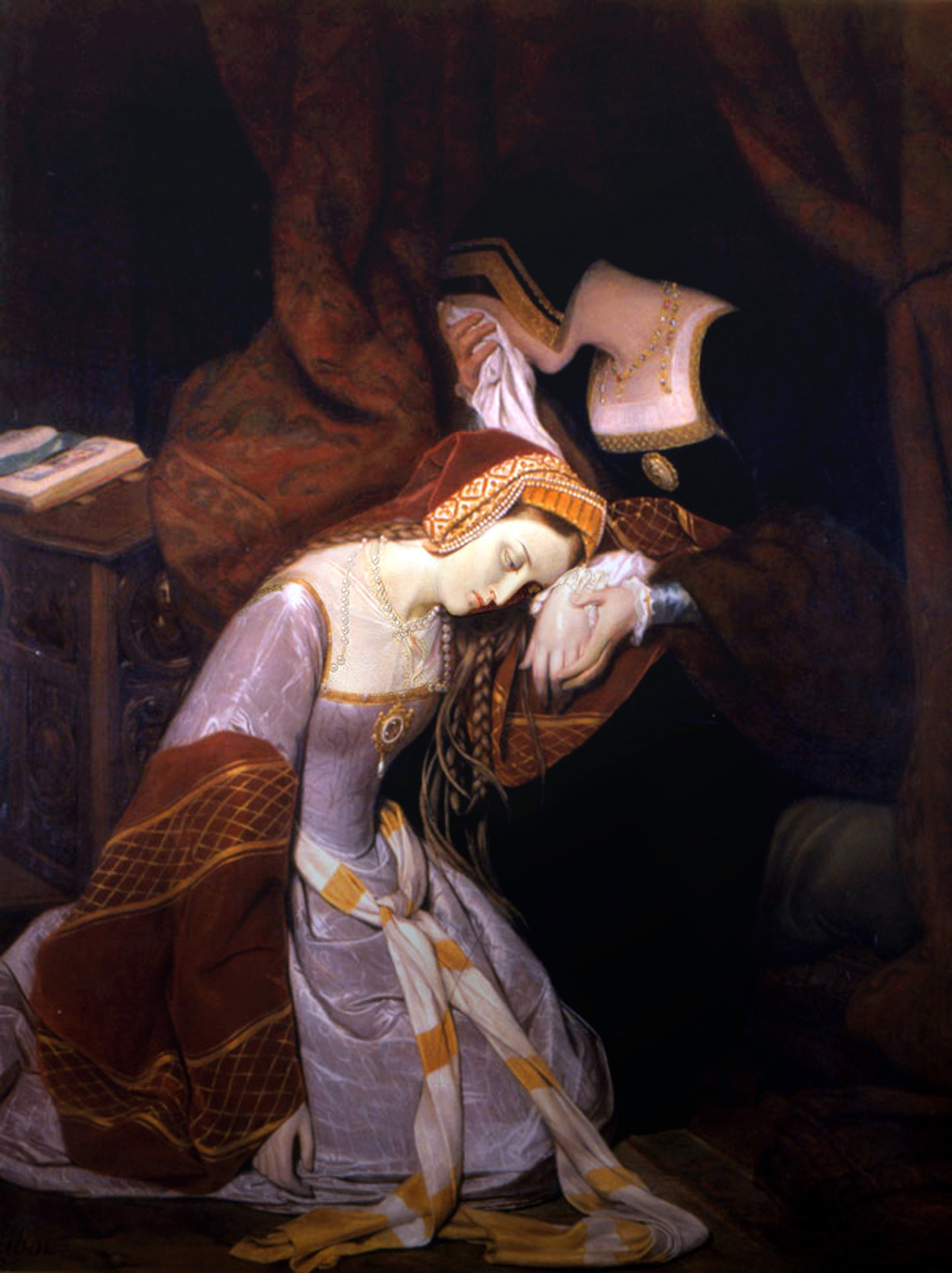
Henry VIII’s infamous second wife also has an uncertain birth date, but she may have been in her thirties when Henry finally freed himself from his first wife and quickly married Anne, who was already pregnant or quickly became so. After giving birth to the future Queen Elizabeth I, Anne failed to have another living child and Henry grew tired of her demanding personality. Anne’s enemies were able to provide the king with (probably) false evidence of Anne’s infidelity and she met her end at the hands of the axeman.

Joan of Navarre, 32
Joan was the widow of the Duke of Brittany when she married the widower King Henry IV. Between them, they had 16 children, but they had no kids together. In addition to being politically advantageous, the marriage might also have been based on affection. Joan is said to have been a good stepmother although she was later accused of using witchcraft to try to kill her stepson, King Henry V, after her husband’s death. She spent a few years imprisoned but then was released and lived another 14 years.

Queen Mary I, 38
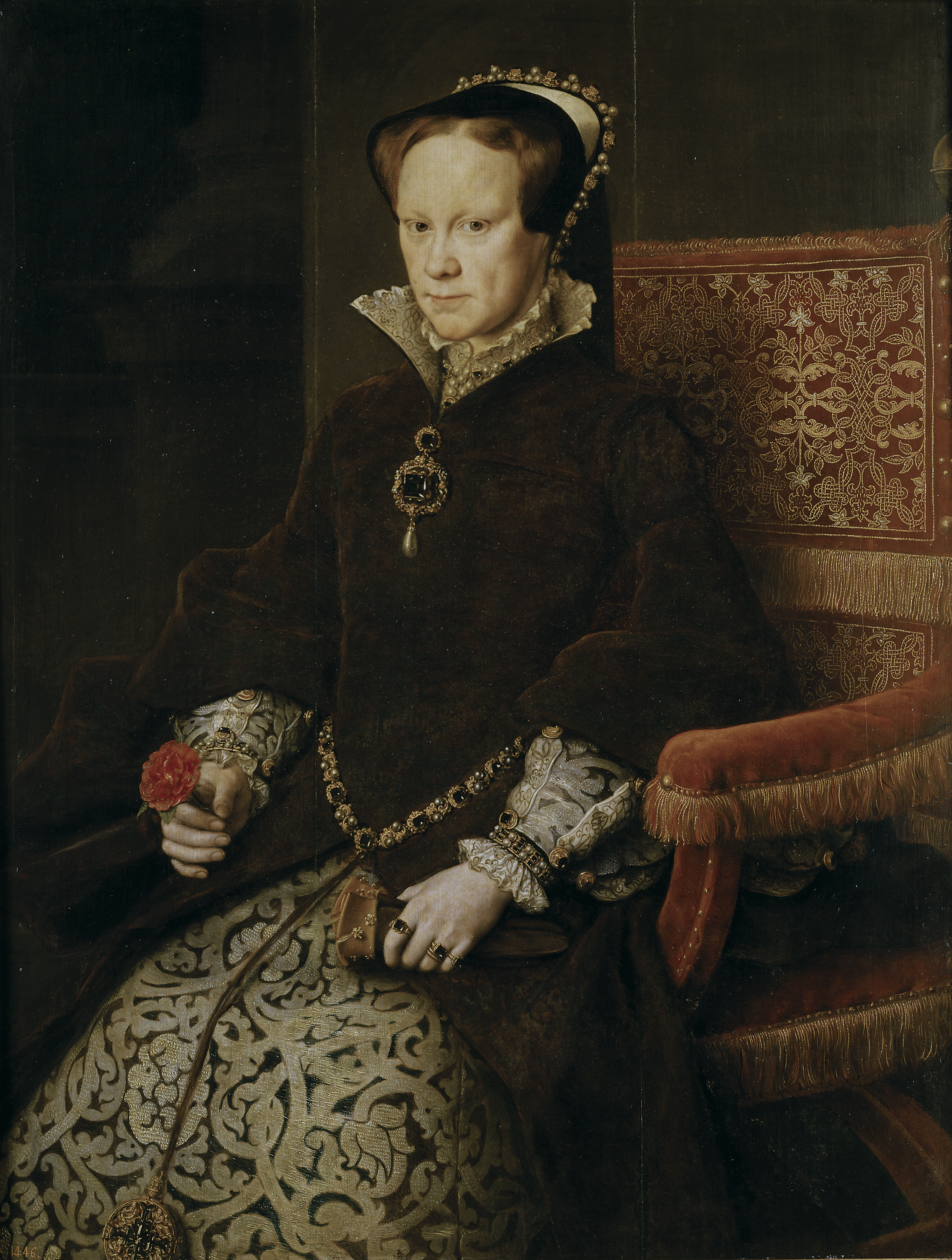
One of Queen Mary’s first acts once she ascended the throne was to marry her cousin, the future King Philip II of Spain, who was more than 10 years younger. When she was a young princess, Mary had been the presumptive heiress and her father King Henry VIII had pursued several possible marriages for her. Once he became obsessed with producing a male heir, Mary’s status deteriorated and, at one point, she was even declared a bastard. Her unstable status not only meant that her father could gain nothing politically through her marriage, but that men could not risk marrying her. By the time she was finally able to marry, it was really too late for her. She imagined herself in love with Philip but he certainly viewed it as a purely political match. He remained in England for about a year while Mary endured a phantom pregnancy. She was devastated when he left, but he did not return for two years. When he left again, she once again imagined that she was pregnant. She died several months after it was clear that no child was coming.

Camilla Parker-Bowles (née Shand), 57
Having been painted as one of the worst villains in modern times, Camilla finally married her longtime love, Charles Prince of Wales, in 2005. She is, without a doubt, the oldest person to marry an heir to the throne. The couple met in their twenties, but Camilla married someone else while Charles was pursuing his naval career. When he later married Lady Diana Spencer, it quickly became clear that they were ill-matched and his relationship with Camilla soon resumed. Following his divorce and Diana’s tragic death, public feeling against Camilla was extremely high. Another eight years passed before things had calmed down enough for Charles and the now-divorced Camilla to marry. Controversy still exists, however, as represented by her decision to use one of her husband’s lesser titles and be called Duchess of Cornwall rather than Princess of Wales. Upon his accession, will she be Princess Consort as announced when they married or will she be Queen? In her own words, “You never know.”

OTHER OLDER ROYAL BRIDES
In the last 100 or so years, it’s actually more common for royal brides to be a bit older rather than younger. Diana was barely 20 and the Queen was 22, but nearly all the other Windsor women were in their late twenties or older.
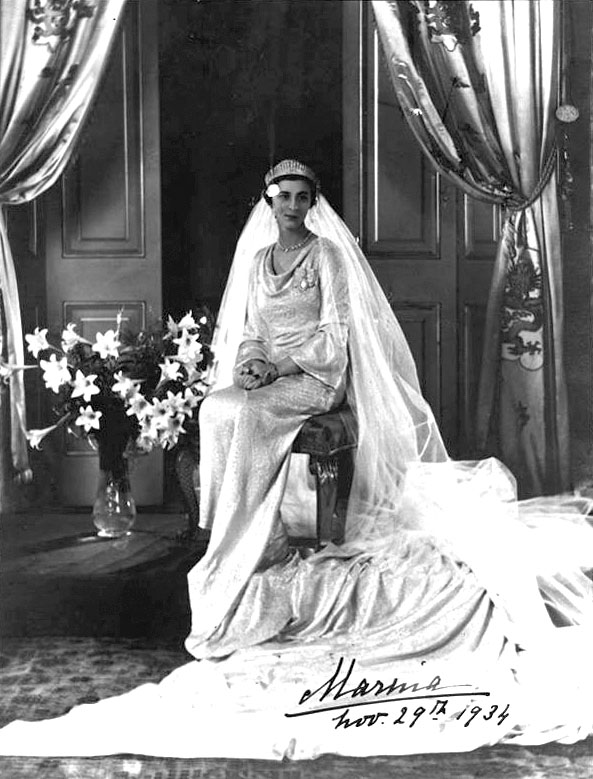
Marina of Greece was 27 when she married the Queen’s uncle, Prince George The Duke of Kent in 1934.

Her daughter-in-law, Katharine Worsley, was 28 when she married the current Duke of Kent in 1961.

Queen Victoria’s youngest daughter, Princess Beatrice, was 28 when she married Prince Henry of Battenberg in 1885.

Sylvana Tomaselli was 29 when she married the Earl of St Andrews in 1988.

Sophie Winkleman was 29 when she married Lord Frederick Windsor in 2009.

The Queen’s sister, Princess Margaret, was 29 when she married Anthony Armstrong-Jones in 1960. The couple later divorced.

Queen Victoria’s popular granddaughter, Princess Patricia of Connaught, was 31 when she married Hon. Alexander Ramsay in 1919 at Westminster Abbey and voluntarily surrendered her royal titles.

Autumn Kelly was 30 when she married the Queen's oldest grandson, Peter Phillips, in 2008.

Lady Alice Montagu-Douglas-Scott was 33 when she married another uncle of the Queen, Prince Henry The Duke of Gloucester in 1935. She had her first child one week before her fortieth birthday.
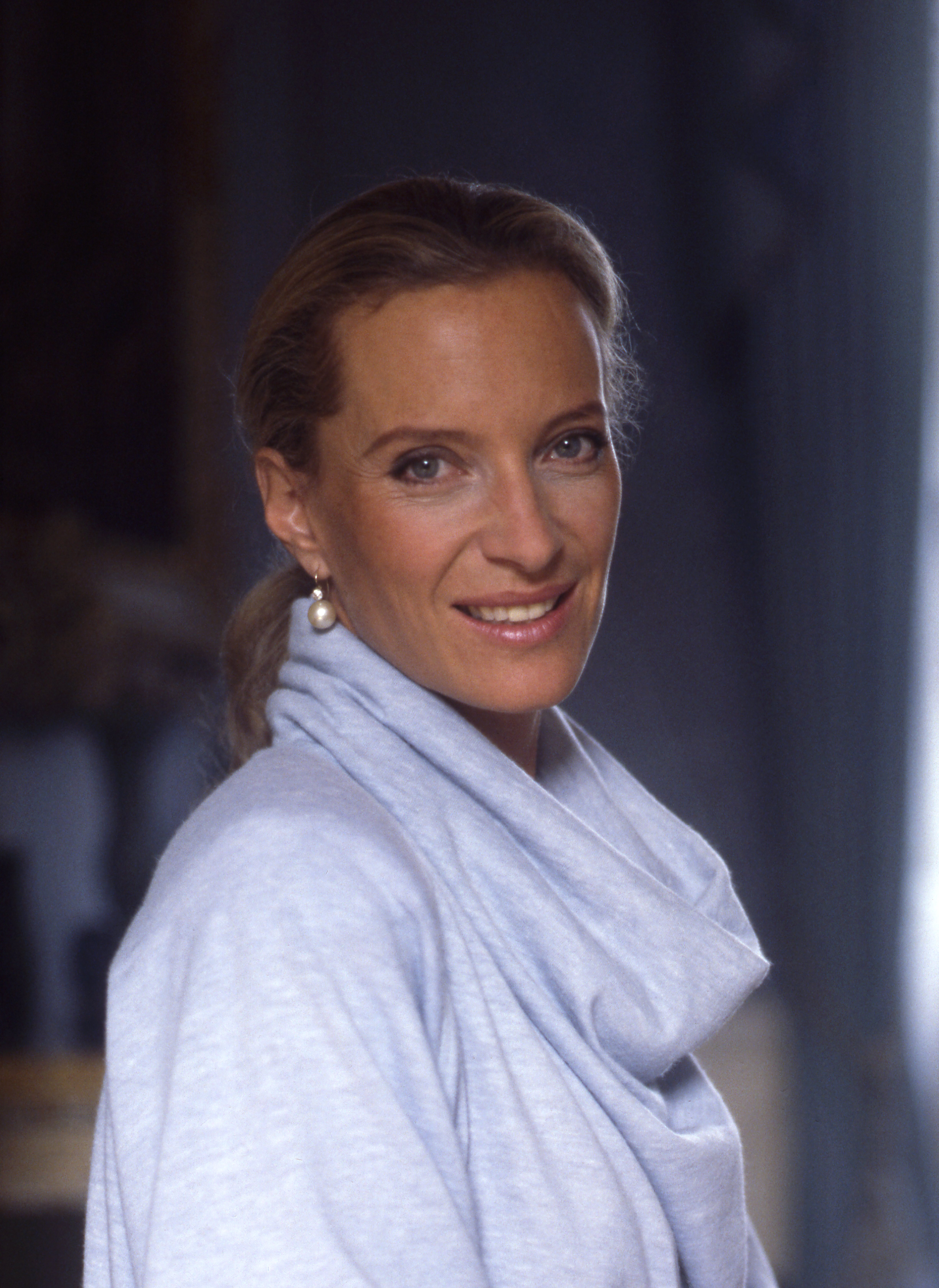
The previously married Baroness Marie Christine von Reibnitz was 33 when she married Prince Michael of Kent in 1978.

Sophie Rhys-Jones was 34 when she married Prince Edward The Earl of Wessex in 1999.

Lady Louise Mountbatten, born Princess Louise of Battenberg, a cousin of both Prince Philip and the Queen was 34 when she became the second wife of Crown Prince Gustav Adolf in 1923. She became Queen of Sweden in 1950.

Princess Paola Doimi de Lupis de Frankopan was 37 when she married Lord Nicholas Windsor in 2006.

Wallis Warfield Spencer Simpson was 40 when she married her third husband, the recently abdicated King Edward VIII, and became the Duchess of Windsor in 1937.

Anne The Princess Royal was 42 when she married her second husband Timothy Laurence in 1992.

Killing Queens: A Bloody Tudor Heritage

From Holbein
The former queen nodded to the executioner. She turned and faced the crowd that had gathered. Then, she knelt. As a final prayer escaped her, the sharp edge of Tudor vengeance sliced through her neck.

Throughout history, a few kings and queens have met their ends on the executioner’s block, but this manner of death reached epidemic proportions during the Tudor period. Everyone knows that Henry VIII had a penchant for killing his queens—to be fair, he only executed two of his wives—but fewer people are aware that each of his daughters also killed a former queen. In their cases, however, they were killing their own potential heirs.

Henry’s marital mayhem stemmed from his overweening desire to have a male heir to succeed him. He ultimately got one from the third of his six wives, but at the time of his death, the male succession was far from certain. When Henry died, there were only 12 living descendants of the Tudors—only two of them were males: the nine-year-old King Edward VI and the infant Lord Darnley. Six of the remaining 10 were under the age of 13 and, with the low survival rate of young children, any of these youngsters were at risk for an early grave.

With such odds stacked against the survival of the dynasty, it is perhaps surprising that Henry specifically barred three of the dynasts from the line of succession in his final will, skipping over the descendants of his older sister Margaret, who had married the King of Scotland firstly and, after his death, married the Scottish Earl of Angus. Instead, he selected first his children and then the children and grandchildren of his younger sister Mary, who had been married to (and quickly widowed by) the King of France before marrying the Duke of Suffolk.

According to Henry’s will, the line of succession was:

1. Prince Edward, 9, his son by his third wife
2. Princess Mary, 30, his daughter by his first wife
3. Princess Elizabeth, 13, his daughter by his second wife
4. Lady Frances Marchioness of Dorset, 31, oldest daughter of his sister Mary
5. Lady Jane Grey, 9, daughter of Frances
6. Lady Catherine Grey, 6, daughter of Frances
7. Lady Mary Grey, 1, daughter of Frances
8. Lady Eleanor Countess of Cumberland, 27, youngest daughter of his sister Mary
9. Lady Margaret Clifford, 6, daughter of Eleanor

Those that he barred were Margaret Tudor’s granddaughter Mary (four-year-old reigning Queen of Scotland), Margaret’s daughter the Countess of Lennox (31) and the countess’s infant son, Lord Darnley, mentioned above.

Death Of Jane Grey
Many of these people met untimely ends, including King Edward, who reigned for only six years. Before his death, in addition to excluding the Scottish line of the family, he also removed his half-sisters from the list. His cousin, Lady Frances then renounced her rights in favor of her eldest daughter, the now 16-year-old Lady Jane, who was coerced into ascending the throne by her ambitions parents and father-in-law. Popular opinion, however, was against her. The English rose up in favor of Princess Mary. Jane was queen for only nine days.

Mary wished to be lenient with the teenager. Jane was initially spared execution. But, six months later, a rebellion was sparked by Mary’s engagement to the King of Spain. The object of the rebel leaders, who included Jane’s father, was to restore Jane to the throne. The situation left Mary no options. In February, Jane was beheaded. She was the third queen to be executed by a Tudor.

Queen Elizabeth I
Ultimately, Mary had waited too long to try to start a family and she was peacefully succeeded by her half-sister, Elizabeth, who, having witnessed the tumult of her father’s married life as a young child, opted never to marry. Her permanent spinsterhood left the succession to the throne uncertain for more than 40 years. The descendants of Mary Tudor remained the most likely candidates over the Scottish descendants of Margaret Tudor, but nearly every potential heir was subject to the whims of the Virgin Queen. And, one thing the Virgin Queen really did not like was for members of her court, much less her extended family, to get married without her position. They did it any way—both of Lady Jane’s sisters, Lady Catherine and Lady Mary, were imprisoned by Elizabeth for marrying without permission. The aging Countess of Lennox was even imprisoned when each of her sons, Lord Darnley and the Earl of Lennox, married without Elizabeth’s blessing.

Lord Darnley had married his cousin Mary Queen of Scots, thus uniting two claims to the English throne in the body of their child. Darnley was Mary’s second husband; their marriage lasted less than two years before he was murdered, probably at the behest of the Earl of Bothwell, who then kidnapped, raped and married the pregnant Mary in order to control Scotland. Within months, Mary miscarried twins and was forced to abdicate in favor of her son by Darnley, the infant King James VI.

Chopping Block
Mary escaped to England where she sought Elizabeth’s protection. Instead, Elizabeth put her on trial for Darnley’s murder and, though the trial reached no conclusion, Elizabeth imprisoned her queenly cousin. For the next 20 years, Elizabeth used Mary’s potential release as a political tool—she also used her own potential marriage in this way, offering to marry and then reneging for political gain. From prison, Mary grew increasingly careless in her own plotting to overthrow Elizabeth and take her throne. Elizabeth reluctantly signed Mary’s death warrant.

As the executioner struck the fatal blow, Mary whispered, “Sweet Jesus.” Thus, she became the fourth and final queen to lose her head to a Tudor.